GPT Image 2: Everything We Know About OpenAI's New Image Model (April 2026)
April 21, 20267 min read
What Is GPT Image 2?
GPT Image 2 is OpenAI's next-generation image generation model, expected to replace the current GPT Image 1.5. Unlike earlier OpenAI image models like DALL-E 3 or the GPT-4o native image generator, GPT Image 2 runs on an entirely new, independent architecture — it is no longer bolted onto the GPT-4o pipeline. That separation is a big deal, because it lets OpenAI optimize GPT Image 2 specifically for image quality rather than forcing a multimodal tradeoff. For everyday ChatGPT users, GPT Image 2 just means sharper, more accurate images with far better text rendering. For developers, it eventually means a dedicated OpenAI API endpoint once GPT Image 2 is officially launched.
GPT Image 2 Release Date & Current Status (April 2026)
OpenAI has not officially announced GPT Image 2 yet, but three anonymous models — codenamed maskingtape-alpha, gaffertape-alpha, and packingtape-alpha — appeared on LM Arena in early April 2026 and were quickly identified by the community as OpenAI's next image model. By April 16, GPT Image 2 was spotted in A/B tests inside the ChatGPT web interface, and by April 19 paying ChatGPT Plus and Pro subscribers started reporting they had been granted access to GPT Image 2. The consensus release window for the public launch is late April to mid-May 2026. OpenAI has also scheduled DALL-E 2 and DALL-E 3 for full shutdown on May 12, 2026 — that date likely is not a coincidence. The GPT Image line, with GPT Image 2 as its flagship, will be the only official migration path for anyone still using DALL-E through the OpenAI API.
New Features in GPT Image 2 That Actually Matter
The headline upgrade in GPT Image 2 is text rendering. Previous OpenAI image models hovered around 90-95% accuracy, which sounds great until you try to generate a storefront sign or a UI mockup and half the letters come out garbled. Early testers report GPT Image 2 crosses 99% text accuracy, meaning legible signs, readable labels, and functional-looking interface mockups straight out of OpenAI. GPT Image 2 has also killed the yellow color cast that plagued GPT-4o image outputs — whites are finally white, not warm cream. Resolution tops out at 2048x2048 or even 4096x4096 native, a big step for anyone generating hero images, posters, or print assets from OpenAI. Add persistent character embeddings (the same face across multiple GPT Image 2 prompts), better world knowledge, and cleaner instruction-following, and GPT Image 2 looks like the first OpenAI image model that can genuinely compete with Midjourney and Google's Nano Banana Pro on commercial output.
GPT Image 2 vs GPT Image 1.5 vs Nano Banana Pro
Against its own predecessor, GPT Image 2 crushes GPT Image 1.5 in text rendering, color accuracy, and prompt adherence. The more interesting matchup is GPT Image 2 vs Nano Banana Pro (Google's Gemini 3 Pro Image, released November 2025). In blind tests on LM Arena, GPT Image 2 leads on text accuracy, UI restoration, and world knowledge. Nano Banana Pro still pulls ahead on certain spatial reasoning tasks — mirror reflections of Rubik's Cubes, complex occlusions, and similar edge cases. On pricing, early signals from the OpenAI camp suggest GPT Image 2 will cost $0.15-$0.20 per image via API, versus Nano Banana 2's $0.045-$0.151. So GPT Image 2 is positioned as the premium option. For most commercial use cases — ad creatives, social posts, product mockups — the GPT Image 2 quality gap is worth the extra cost. For bulk generation workflows, Nano Banana Pro still wins on economics.
How to Access GPT Image 2 Today
As of April 2026, access to GPT Image 2 is limited. The easiest path is a ChatGPT Plus or Pro subscription — OpenAI is rolling out A/B access to GPT Image 2 gradually, so some users have it and some do not. If you do not see GPT Image 2 yet, try prompting ChatGPT for 'high-resolution image with text' and check whether the output quality jumps. Once OpenAI flips the switch publicly, GPT Image 2 will be accessible in both ChatGPT and via the OpenAI Image API (replacing gpt-image-1.5). Developers should expect a dedicated gpt-image-2 model ID. Note that OpenAI has not published GPT Image 2 API documentation yet, so any third-party 'GPT Image 2 API wrappers' you see right now are unofficial and risky — wait for the official OpenAI launch if you are building on it.
Post-Processing Your GPT Image 2 Output
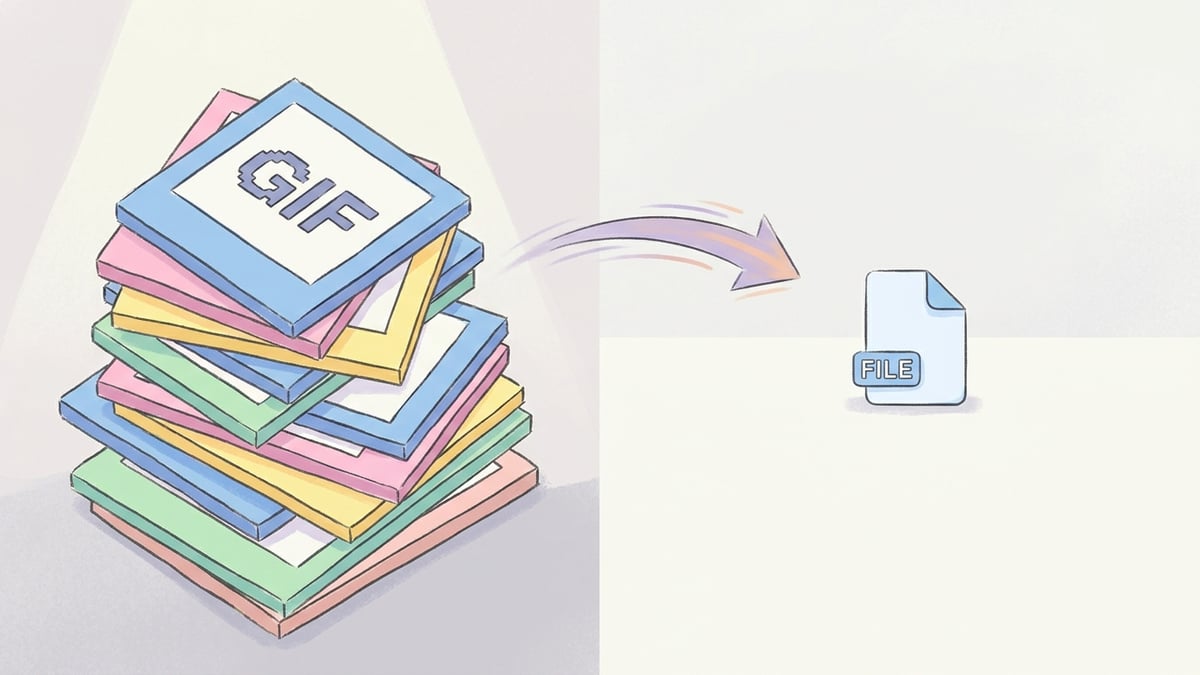
Here is the practical problem with native 4K GPT Image 2 output: the PNG files are huge. A single 4096x4096 GPT Image 2 render lands around 8-15MB, which is way too big for a web page or email. You will want to compress GPT Image 2 output down to under 300KB for most use cases. ToolPic's image compressor handles this in your browser — drop the GPT Image 2 PNG in, set quality to 82-88%, and you get a visually identical file at 10-15% of the original size. If you are using GPT Image 2 outputs for social media, you will also need to resize: 1080x1080 for Instagram, 1200x630 for OpenGraph cards, 1500x500 for X/Twitter headers. ToolPic's image crop tool has presets for all of them. Need a transparent version of a GPT Image 2 product mockup? The background remover works on any GPT Image 2 output. Everything runs in your browser, so your OpenAI-generated images never get uploaded to our servers — which matters if the GPT Image 2 prompt included anything confidential.